


A history of absolute liberation
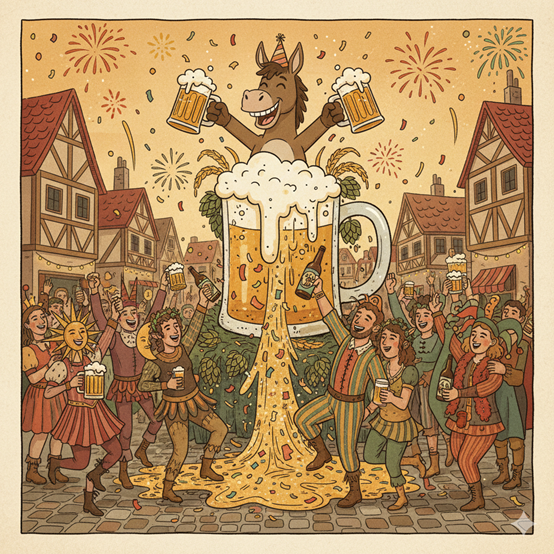
There is a specific moment in the year when the rules simply cease to exist. It is a period where everyday life is painted in the colors of excess—a moment when time stops moving in a straight line and begins to swirl around a dance of colors, sounds, and flavors. Carnival is not just a party; it is an ancient human need for subversion, a “pressure relief valve” that allows the soul to breathe outside the narrow confines of social conventions.
From the depths of history to modern craft breweries, beer has always been the drink of community, celebration, and release. In this article, we will explore how beer culture and the spirit of Carnival became intertwined, travel back in time to discover the roots of this global phenomenon, wander through the world’s most iconic parades, and ultimately find out why the essence of Carnival lies in the decision to set our burdens aside, even if just for a while.
The Roots: Where Worship Met Ecstasy
The history of Carnival doesn’t begin with modern floats, but with the earth and the worship of nature.
While many believe Carnival started in Europe, the roots of collective euphoria and beer consumption go much further back. The Sumerians worshiped Ninkasi, the goddess of beer. In their great festivals, beer was more than just a drink; it was a “divine gift” that brought people closer to the gods. The masks used in their ceremonies symbolized communication with the supernatural, while beer served as the vessel for reaching that state of ecstasy.
Ancient Egypt and the “Festival of Drunkenness”
In Egypt, there was a festival dedicated to the goddess Hathor, known as the “Festival of Drunkenness.” Egyptians brewed special batches of beer, often flavored with pomegranate or dates, and celebrated the salvation of humanity with dancing and masquerades. This was the first recorded moment where beer became the centerpiece of a “carnivalesque” gathering.
The Dionysian Mysteries: From Wine to Beer
In Ancient Greece, the roots of Carnival are found in the festivals honoring Dionysus, the god of wine, fertility, and theater. These were moments of sacred madness and liberation. Participants wore masks and dressed as satyrs, engaging in pranks and wild dances. The mask wasn’t just a disguise; it was a way for the person to be “inhabited” by the god, to transcend their limits, and become one with the collective.
Although Dionysus is famous for wine, the ancient Greeks also knew “barley wine.” During the Anthesteria, masks and alcohol were tools to break the barrier between the world of the living and the spirits. Beer, as a drink of the earth and barley, symbolized the fertility that arrives with spring—the very same season we celebrate Carnival today.
Saturnalia and Lupercalia
In Rome, the festivals of Saturnalia (honoring Saturn) bore a striking resemblance to modern Carnival: social roles were completely reversed. Slaves sat at the table while their masters served them. It was a symbolic return to the “Golden Age,” where classes did not exist and everyone was equal in joy.
The Christian Transition
With the rise of Christianity, these pagan customs were too deeply rooted to be abolished. Instead, they were integrated into the ecclesiastical calendar as the period preceding Lent.
- Apokries (Greek Carnival): The word comes from apo + kreas (away from meat).
- Carnival: From the Latin frase Carne levare that means to remove meat or Carne Vale that means “farewell to meat.” It was the last chance for feasting and celebration before the strict fasting and reflection of the Lenten period.
Beer as the “Liquid Bread” of the Middle Ages
During the Middle Ages, beer took on a new, almost sacred role. Monks in Central European monasteries were the first “scientists” of brewing. Since “liquid does not break a fast” (liquidum non frangit ieiunium), monks brewed stronger, more nutritious beers—the famous Doppelbocks—to endure the hunger of Lent. Thus, beer became the official “fuel” of Carnival. This tradition continues today in Germany and Belgium, where “Carnival beers” are richer in body and aroma.
Modern Times
In Germany, especially in the Rhineland region, Carnival is unthinkable without beer. In Cologne, Kölsch is served in special glasses (Stangen), and the waiters (Köbes) won’t stop refilling them until you place your coaster on top of the glass. Beer here is the unifying element of the “crazy days” (Tolle Tage).
During the Carnival of Binche in Belgium, participants drink traditional Belgian Ales that have undergone double and triple fermentation. The complexity of the beer reflects the rich tradition of their elaborate costumes. Beer here is not just an accompaniment, it is the topic of conversation in every pub. Beer here is not just an accompaniment, it is the topic of conversation in every pub. Beer here is not just an accompaniment, it is the topic of conversation in every pub.
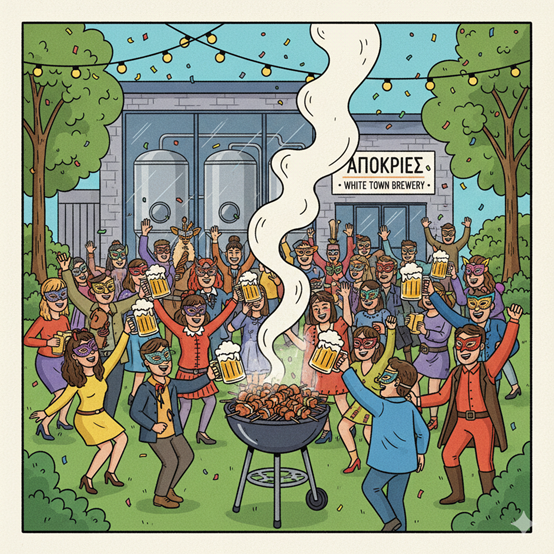
In Greece, Carnival has its own taste identity. Tsiknopempti (Charred or Smokey Thursday) is the day of the ultimate combination: grilled meat and cold beer. Hops, with their natural tannins and bitterness, balance the fat content of the meat. The carbon dioxide bubbles act as a “cleanser” for the tongue, making each bite feel like the first.
A Journey to the World’s Carnival Capitals
Every culture took this spirit of subversion and dressed it in its own materials.
Venice: The Venice Carnival is perhaps the most atmospheric in the world. It began in the 12th century and reached its peak in the 18th. Here, the emphasis is not on noise, but on anonymity. The famous Bauta mask allowed nobles and commoners alike to move through the alleys without being recognized, participating in intrigues and celebrations that under other circumstances would have been forbidden.
Rio de Janeiro: On the other side of the Atlantic, the Rio Carnival is the epitome of energy. With roots in African traditions and Portuguese influences, it evolved into a massive competition between Samba schools. Here, Carnival is a matter of honor for local communities, a festival where the beat of the drums (bateria) dictates the pulse in the hearts of millions.
New Orleans: In Louisiana, USA, Mardi Gras (“Fat Tuesday”) is a feast of colors (purple for justice, green for faith, gold for power). The parades of the “Krewes” and Jazz music create a unique atmosphere, where crowds compete to see who can collect the most colorful beads thrown from the floats.
In Greece, Carnival maintains a unique authenticity, blending tradition with modern satire.
- Patras: The largest and most massive carnival in the country, featuring the “Hidden Treasure Hunt” and a grand parade that gathers thousands of young people from all over Greece.
- Skyros & Naoussa: Here, the traditions are more “Doric.” The “Geros and Korela” in Skyros with their heavy bells, and the “Genitsari and Boules” in Naoussa, remind us that Carnival has a deep, almost ritualistic background connected to purification and the welcoming of spring.
- Galaxidi: On Clean Monday, the town transforms into a battlefield of colored flour and soot. An explosion of joy that leaves no one “clean.”
In all these celebrations, food and drink play a central role. They are not just nourishment; they are social tools.
But why is beer so closely linked with Carnival worldwide?
- 1. Carnival requires movement, dancing, and standing. A cold beer offers the necessary refreshment without “weighing you down” immediately, allowing you to keep the party going.
- 2. Beer is by nature a democratic drink. It is shared in cans on the street, in large glasses in pubs, and in six-packs in backyards. It is the drink that “breaks the ice” between two people wearing different masks.
- 3. Especially during the Greek Carnival with the grilled meats of Tsiknopempti, the bitterness of the hops and the bubbles of the beer are the perfect answer to the richness of the food.
Just as we choose the best costume to get into the holiday spirit, an impressive transformation occurs in the production of beer. The simple ingredients of the earth—barley, hops, and water—enter the brewery and “disguise” themselves as something entirely different. Through the brewing process, the barley provides the body and color, the hops add the aromas and necessary intensity, and everything unites to create a character that didn’t exist before. It is a celebration of matter, where ordinary ingredients leave behind their simple form to become the enjoyable beer we hold in our hands.
The “Lazy Mules” Philosophy
Amidst all this global noise, there is a common denominator: the need to stop being “runners of everyday life” and become, even for a little while, the protagonists of our own joy.
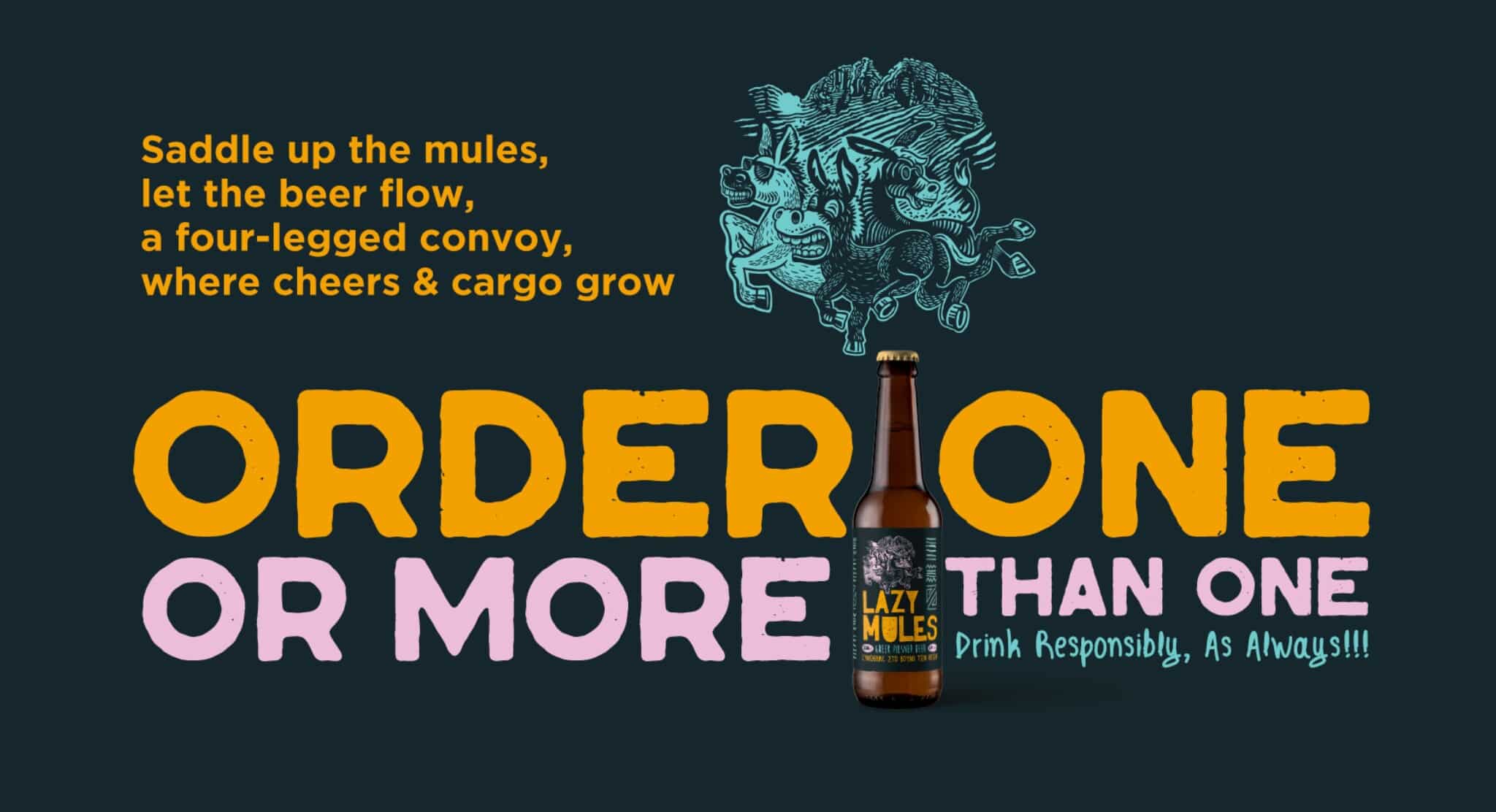
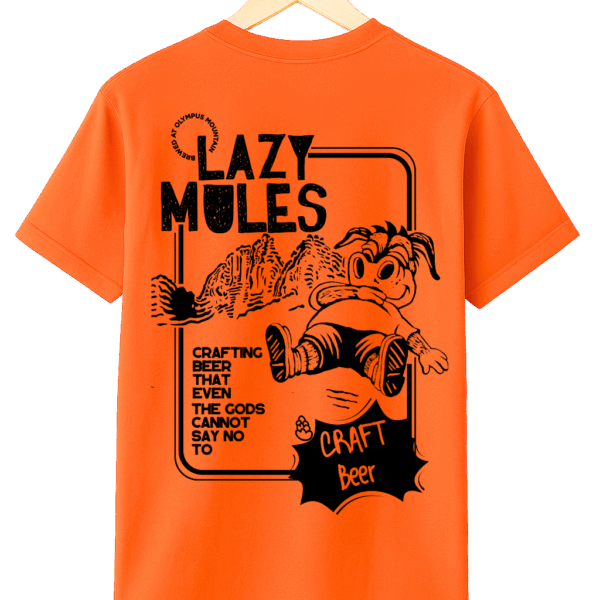
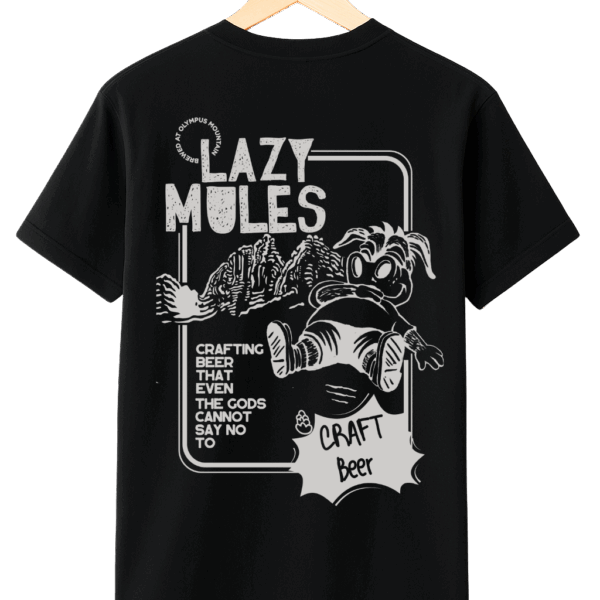
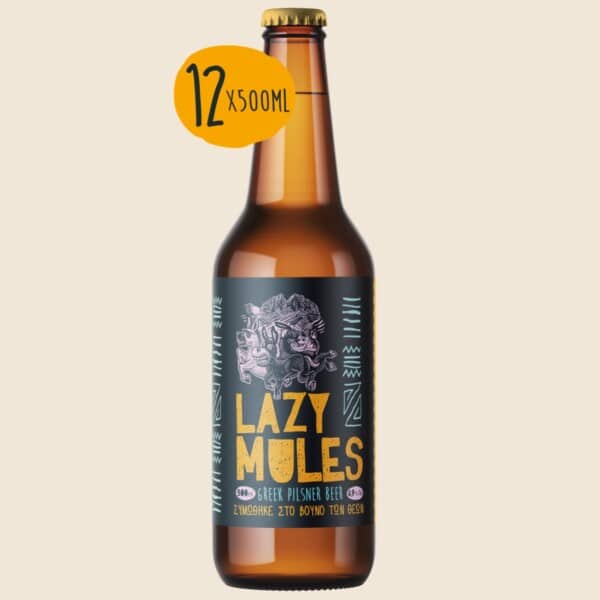
At White Town Brewery, this is the idea that inspires us. Our name is no accident. The mule is the animal that carries the burdens of the world; it is stubborn, hardworking, and patient. But every mule has its limits.
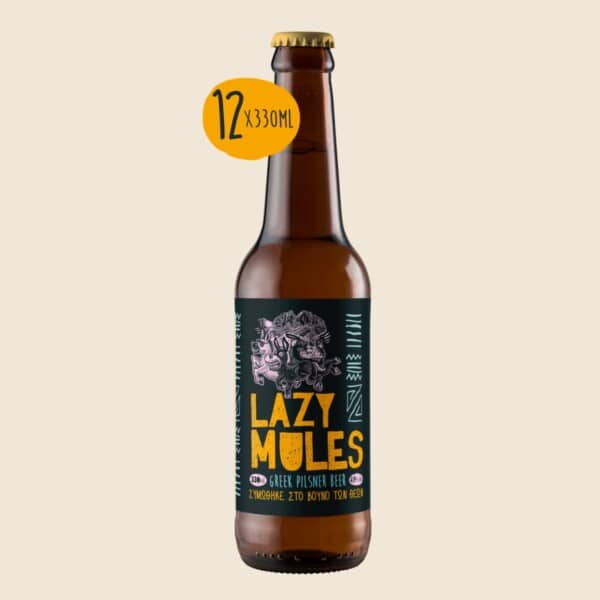
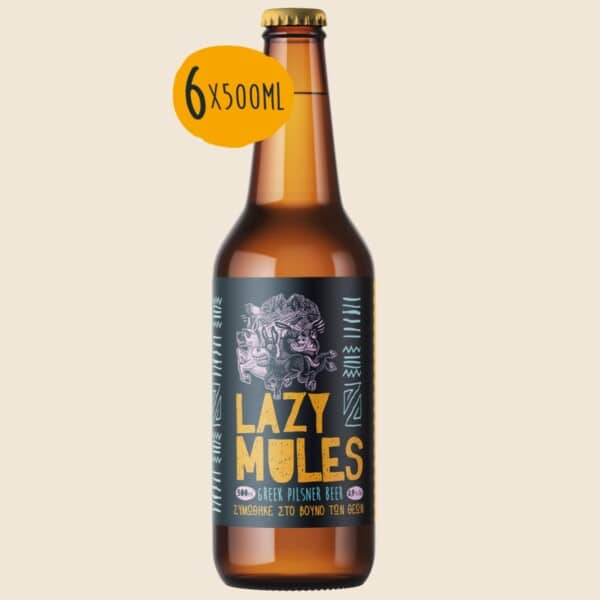
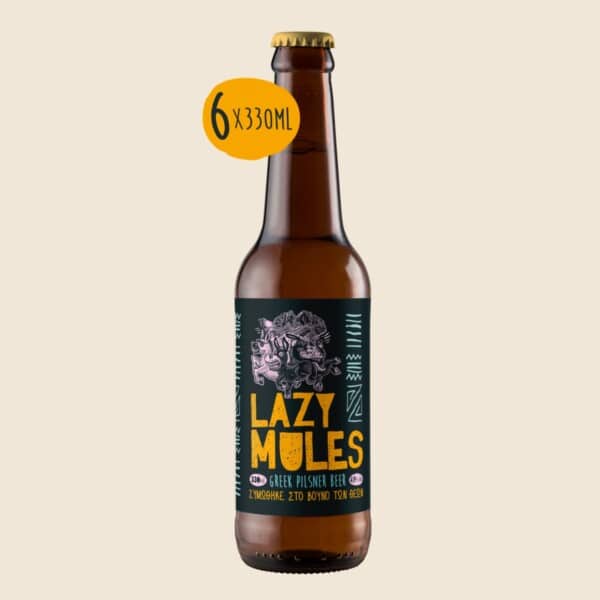
Our “Lazy Mule” is the one who decided that today, it won’t carry any weight. It will sit in the shade, enjoy the sun, and drink a good beer.
This is our message for Carnival: Become the “Lazy Mules” of your group for a while. Leave the deadlines, the stress, and the obligations behind and surrender to the magic of the moment.
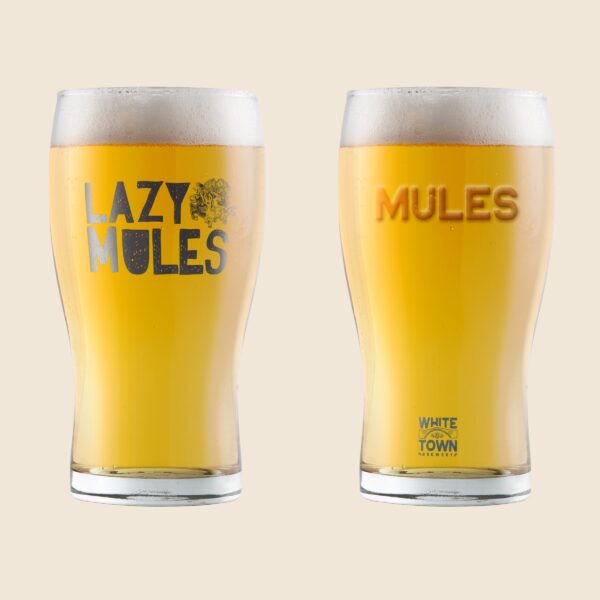
Whether you find yourself in the streets, in a living room with friends, or simply enjoying the peace away from the fuss, remember: at the end of the day, Carnival is not the costume you wear, but the willingness to switch off the “autopilot” of daily life and finally feel free. Life is one big dance, and sometimes the most revolutionary thing you can do is to be… “lazy.” To stop, clink a glass of Lazy Mules with your friends, and laugh with all your heart.
Happy Carnival and cheers to everyone!
-
 Quick ViewSelect options
 -
 Quick ViewSelect options
 -
 Quick ViewSelect options
 -
 Quick ViewAdd to cart
 -
 Quick ViewAdd to cart
 -
 Quick ViewAdd to cart
 -
 Quick ViewAdd to cart
 -
 Quick ViewAdd to cart