



How glassware shapes the beer experience
Gastronomy is often judged by its details. A specialized knife, the correct serving temperature, or the shape of a glass might seem like exaggerations at first glance. However, for those seeking a more complete tasting experience, these small elements are what make the difference.
Choosing the right glass is entirely common practice when it comes to wine. The distinction between a wide glass for red wine, a narrower one for white, and a tall flute for champagne is now considered self-evident. Even without specialized knowledge, it is easy to understand that the correct vessel helps to better release the aromas.
In the case of beer, however, things are usually much simpler. The prevailing perception is that beer can be drunk from any available and cool glass. Yet, the reality is different, as the vessel affects enjoyment just as drastically.
This is not a marketing trick or a strange obsession of brewers. The design of each glass serves a very practical purpose. The right shape helps retain the head, regulates the CO2 bubbles, and concentrates the aromas in such a way that the taste remains excellent until the very last sip.
This practically means that the exact same product delivers an entirely different sensation depending on where it is served.
The Effect of the Vessel on the Senses
Clearly, the glass does not change the content itself. The recipe, the raw ingredients, and the quality of the beer remain identical, whether it is consumed from a specialized crystal glass or a simple water glass.
The real difference lies in how the senses process the drink. The brain does not judge taste in isolation, but combines information from smell, sight, touch, and the texture of the liquid in the mouth. This mechanism explains why the same beer appears more aromatic or more refreshing when served correctly.
The Importance of Aroma and Foam
The first impression is formed by the aroma, before the beer even reaches the mouth. In reality, most of what is called flavor comes directly from the sense of smell. The shape of the glass determines how the aromas reach the nose. A glass with a narrow rim, such as the Tulip, traps odors and guides them concentrated upwards, whereas a very open glass allows them to disperse quickly into the air.
At the same time, the foam (head) is not just for show, nor does it take up space uselessly. It acts like a natural shield that protects the beer from oxygen to prevent it from spoiling quickly, while keeping the aromas locked in. The right glass helps create a stable, creamy head that improves both the appearance and the texture of every sip.
Temperature, Carbonation, and Flow
The shape of the glass also affects the temperature. Glasses with a tall body or a stem prevent the hand from coming into contact with the area where the liquid is held. Therefore, the beer does not get warmed by body heat and stays cool for a longer period.
Additionally, the design regulates the movement of carbonation. Carbon dioxide carries the aromatic elements toward the surface. A tall and narrow glass helps the bubbles rise evenly and gradually, keeping the beer “alive” for longer.
Finally, the thickness of the rim and the opening of the glass determine how the liquid flows onto the tongue, highlighting the sweet, bitter, or fruity notes differently. A side-by-side tasting of the same beer in two completely different glasses immediately demonstrates this unexpected difference.
The Proper Pouring Technique
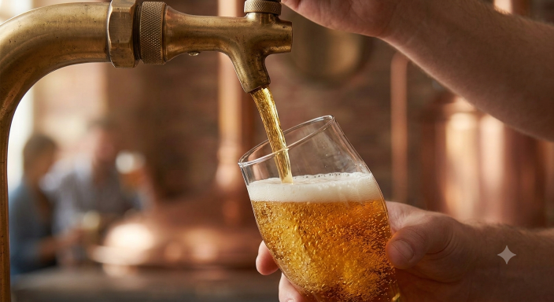
Choosing the right glass is the first step, but the final experience depends directly on how the beer enters the glass. A rushed or incorrect pour can either completely wipe out the head or create an overwhelming amount of foam, making waiting mandatory for several minutes.
The correct method is simple and relies on four specific movements:
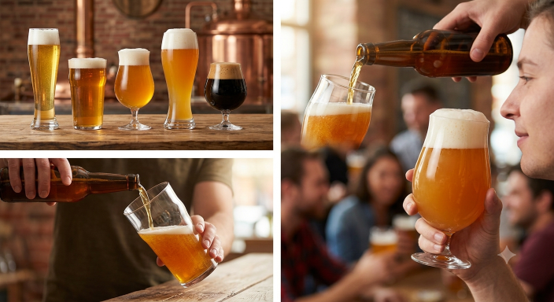
- The Initial Tilt: The process begins by holding the glass tilted at a 45odegree angle. The mouth of the bottle or can is placed close to the rim, without touching it.
- Steady Flow: The liquid is poured at a constant speed, aiming precisely at the middle of the inner wall of the glass. In this way, the beer slides gently downward, avoiding sudden agitation.
- The tilt recovery: Once the beer fills about half of the glass, the gradual return of the glass to its upright, vertical position begins.
- Creating the Head: The pour is completed by pouring the remaining amount directly into the center of the glass. Moving the bottle slightly upward creates the necessary distance that will help a proper and compact head of foam to form.
This simple procedure ensures the right balance, as it releases part of the carbon dioxide into the glass rather than the stomach, making the beer much more pleasant and light until the end.
The Two Biggest Mistakes: The Frozen and the “Almost” Clean Glass
Even if the correct pouring technique is faithfully followed in the most suitable vessel, the overall experience can easily be downgraded by two very common habits: freezing the glass in the freezer and inadequate washing.
The Freezer Trap
The image of a glass covered in a layer of ice seems ideal for hot days, but in reality, it works against the drink. The excessively low temperature “numbs” the taste buds of the tongue and traps the volatile compounds, resulting in the loss of the beer’s aromas and complexity.
Furthermore, the ice crystals that form on the walls cause a violent release of carbon dioxide upon contact with the liquid. This leads to excessive foam that overflows and quickly leaves the beer flat and uninspiring. Additionally, glassware in the freezer tends to absorb odors from other foods, altering the final taste.
The Enemy of Foam: Soap Residues
The second and most frequent error concerns the cleanliness of the vessel. A glass that appears clean to the eye may not be clean to the beer. Invisible residues from common dish detergents, fats from previous use, or even lint from a kitchen towel create a thin film on the inner walls.
This film immediately destroys the surface tension of the liquid, causing the foam to dissolve within a few seconds. This phenomenon becomes easily noticeable when carbonation bubbles stick to the side walls of the glass instead of rising evenly to the surface. For this reason, beer glasses are preferably washed separately, ideally with hot water and a neutral, non-fatty cleaner, while a good rinse with cold water right before serving is considered essential.
A Simple Experiment in the Kitchen
The best way to prove whether all of this holds true or if it is just theory is a quick test at home. It requires no effort, just two completely different vessels—for example, a proper beer glass and a simple mug or a short water glass—and two bottles of the very same beer.
If the beer is served simultaneously in both, the difference will become apparent within a few seconds. In the appropriate glass, the head will hold firm and the aromas will come through fully with every sip. In the unsuitable vessel, the foam will “collapse” almost immediately and the beer will quickly appear flat and somewhat dull. It is the most vivid example of how such a small change completely transforms the enjoyment.
Are All These Glasses Actually Needed?
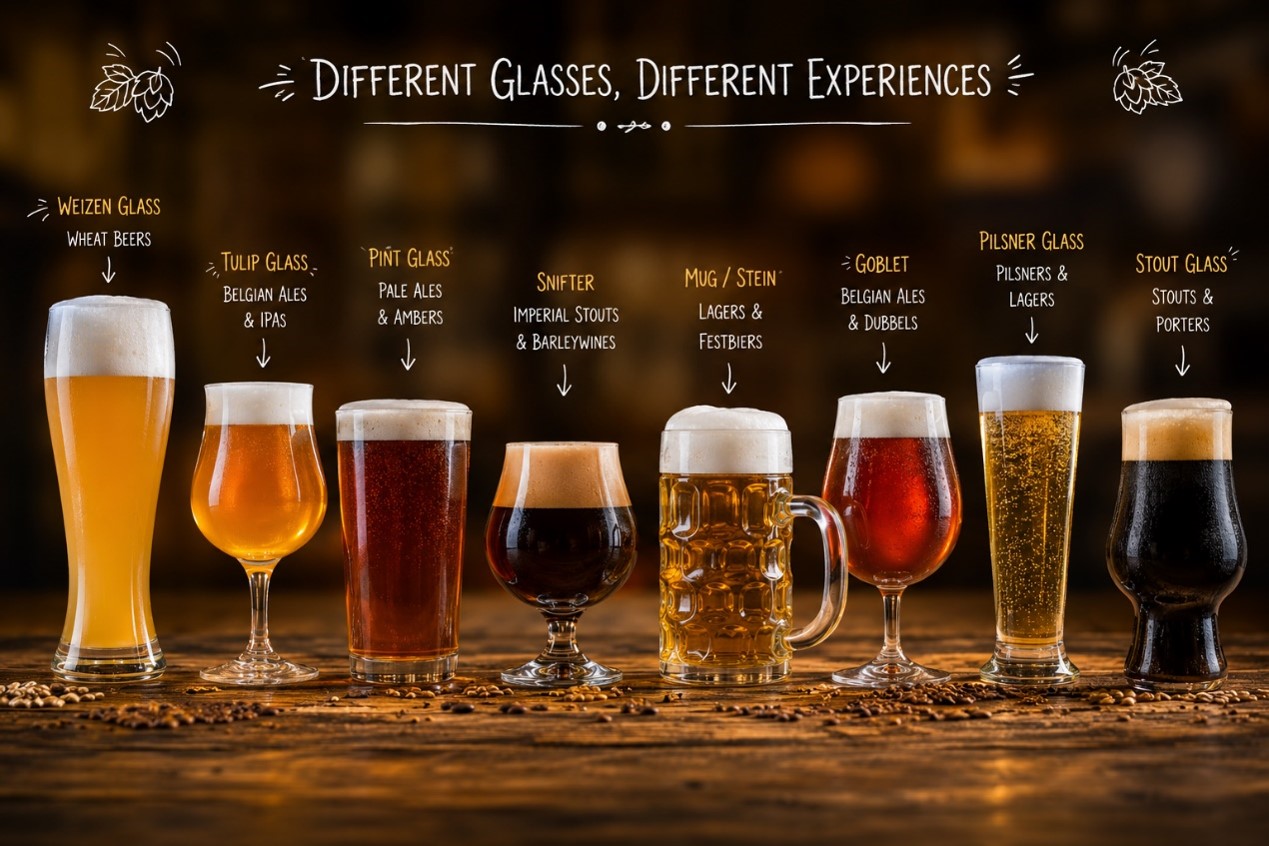
The short answer is no. Most beer enthusiasts can be fully covered with just two or three pieces. A Pilsner glass for lagers, a Tulip for aromatic craft options, and a Weizen for those who love wheat beers are more than enough. This way, the cabinet does not fill up with dozens of designs, yet the beer is drunk the way the brewer envisioned it.
A quick guide: Glassware according to beer type
For moments when a quick reminder is needed before serving, the following list gathers the essential pairings:
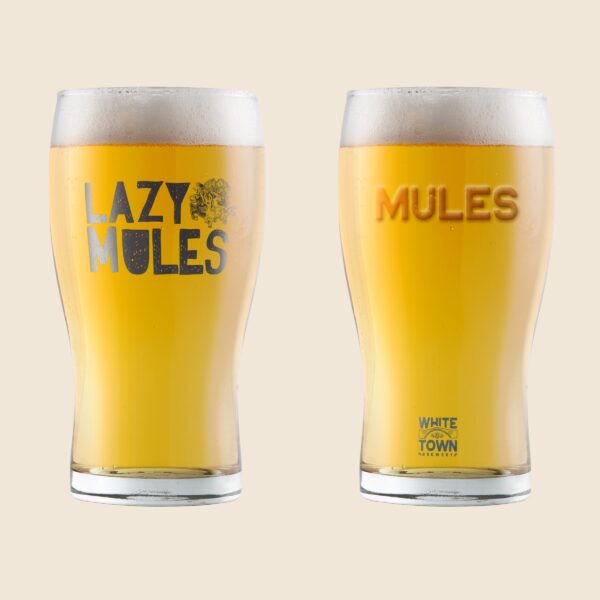
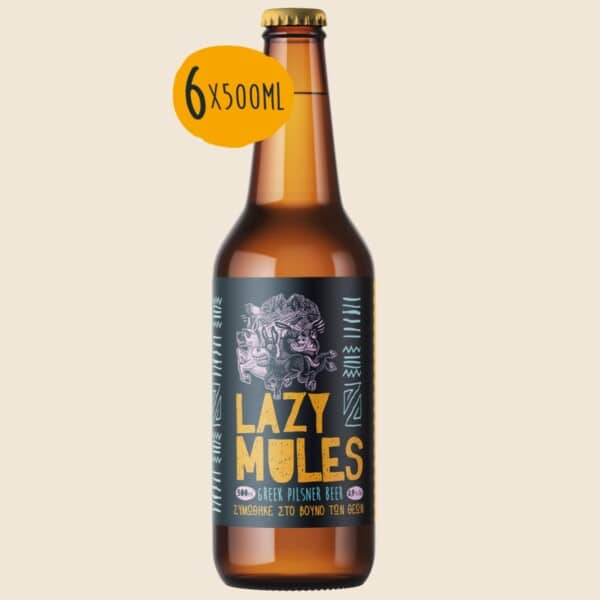
- Pilsner Glass → For pale Lagers, Pilsners, Helles, and Munich Lagers (also ideal for the Lazy Mules Pilsner).
- Nonic Pint → For dark beers like Stout and Porter, as well as Red or Pale Ales.
- Tulip Glass → For intensely aromatic beers like Double IPAs, Belgian Strong Ales, and Sour beers.
- Weizen Glass → Exclusively for all German wheat beers (Hefeweizen, Dunkelweizen).
- Snifter Glass → For strong beers with high alcohol content, such as Barleywines, Imperial Stouts, and barrel-aged beers.
Enjoyment Beyond the Rules
All of these guidelines, from the geometry of the glass to the precision of the tilt during pouring, have a single purpose: to help discover the small, hidden secrets of beer. It serves as a nice guide for times when there is a mood for a more careful tasting and a bit of extra detail.
By no means, however, are any of these mandatory, nor do they constitute unbreakable rules. Beer has been and always will be connected to simplicity, good company, and authentic relaxation. No matter how much theory and tasting reject the frozen glass or the wrong shape, the reality is much simpler: nothing in the world beats a ice-cold beer—in any glass—on a very hot day. In the end, personal satisfaction is what wins over every gastronomic rule.

-
 Quick ViewSelect options
 -
 Quick ViewSelect options
 -
 Quick ViewSelect options
 -
 Quick ViewAdd to cart
 -
 Quick ViewAdd to cart
 -
 Quick ViewAdd to cart
 -
 Quick ViewAdd to cart
 -
 Quick ViewAdd to cart